Syringe Shortages: Why Hospitals are Facing Them and How to Prepare
In recent years, syringe shortages have become one of the biggest healthcare issues. Due to lessened resin supply, widespread recalls, as well as sudden import alerts, the availability of the syringes has been compromised. Furthermore, with the imposition of new tariffs in 2025 on imported needles and syringes, the issue has become even more complicated. The question, although, arises about managing the healthcare system to deal with the syringe shortages.

Syringes are necessary for providing parenteral therapy
In this article, we will learn about what can be done when it comes to dealing with recent syringe shortages in the US. In addition, some of the well-known syringe brands have also been linked for the reader’s convenience.
Syringe Shortages: Historical Overview
The issues regarding syringe shortages are not entirely new. Rather, they have become more common after the COVID-19 pandemic. In this regard, the following shortage incidents were notable:
- In 2021, 267 million prefilled saline flush syringes had to be recalled because of a defect in their plunger that could lead to the introduction of air into the syringe and elevate the risk of embolism.
- In 2023, a recall notice was issued for 32 million disposable syringes. The reason mentioned was a problem with their compatibility with syringe pumps.
- Again, in November 2023, leakages and the presence of particulate matter in the product became the cause of a massive recall of 12.3 million dialysis syringes.
Growing Issues of Syringe Shortages in 2025
In 2025, syringe shortages are expected once again as their demand has been on the rise. With the Food and Drug Administration (FDA) setting clear regulations regarding the quality of medical supplies, including syringes, the supply chain is under the effect of new challenges as well. These are inclusive of the following:
Supply Chain Disruptions
Considering the fact that a huge chunk of the disposable medical supplies are manufactured and shipped to the US from other parts of the world, two pressing issues arise. One is concerned with the supply chain disruptions, as mentioned earlier, while the other deals with the product quality.
These supply chain disruptions further give rise to several issues, such as an overall reduced manufacturing capacity for syringes, which leads to their lessened availability, in addition to the complication of procurement procedures. The reason is that the syringes remain on the medical device shortage list for a prolonged period while the healthcare providers have to navigate how to manage the shortages.
Furthermore, the problem intensifies when it comes to immunizations that needs to be done every year for millions of people by introducing the vaccines via intravenous (IV) route. With existing and imminent syringe shortages, several vaccination programs are at risk of being compromised.
Quality Concerns about Imported Syringes
As per the FDA, imported medical supplies are not always considered comparable to those manufactured within the US in terms of their quality and performance. China, being the key player in manufacturing syringes, plays a crucial role in supplying a bulk of the product to the US.
However, in case of reduced syringe manufacturing in China or delayed supplies due to regulatory as well as transportation issues, healthcare providers are forced to choose options that are not fully reliable and efficient in performance.
In this regard, the FDA has highlighted potential safety risks to the patients that are somewhat unavoidable while using substandard products. As a way to address these concerns, the FDA has also issued warning letters as well as safety communications, along with encouraging the healthcare institutions to adopt alternative sourcing strategies.
FDA’s Safety Communications and Warning Letters
The issuance of safety communications and warning letters by the FDA aims at ensuring patient safety as well as reducing the risk of mishaps associated with the use of faulty syringes. It is essential to give special focus to the FDA’s concerns to stay updated regarding the following:
Altered Syringe Production Capacity
Keeping a check on the FDA safety communications allows the healthcare providers to stay updated about the syringe production capacity.
Poor Product Quality
The purpose of the warning letters is to alert the manufacturers regarding the failure to meet quality standards. By remaining aware about them, the healthcare providers can know beforehand if more syringe shortages are likely, which could force the system to relay on substandard products.
Sourcing Alternatives
The guidance provided about the sourcing alternatives while dealing with supply chain disruptions should be specially focused. This way, the healthcare team can manage the syringe shortages beforehand.

Using syringes for vaccination puts pressure on their demand and supply
Syringe Shortages in 2025: How to Prepare?
In the present year, when the concerns for syringe shortages are rising again, the following measures can be adopted to manage the disruptions:
Steps to Take by Healthcare Facilities
Within healthcare facilities, there is a need to:
- Focus on improving the overall inventory management by keeping track of syringe usage patterns. This way, an accurate estimation of the syringe requirements within the healthcare facility can be made.
- Strengthen the supply chain by adding more reliable suppliers, preferably from different regions.
- Consider bundle supplying as it allows the healthcare facility to secure syringes along with the intravenous medications like vaccines, etc.
- Have preparations in place for alternative workflows by setting up the necessary protocols.
- Explore alternative products as well as delivery methods which could be put in place in case of syringe shortages.
Steps to Take at the Individual Level
At the individual level, one can also take the necessary steps to deal with syringe shortages in the country. These include the following:
- While storing syringes at home, make sure to select a proper location that is clean and dry. This way, the product does not get contaminated or damaged, which adds to its overall lifespan. Keep in mind that syringes are single-use products, and these instructions are about their storage before usage.
- If you need syringes on a daily basis, avoid stockpiling them. This practice is discouraged as it intensifies the syringe shortages and often leads to problems for patients requiring critical medical care.
- Staying informed about the shortage situation is also important so that you can take necessary measures. To do so, consult your healthcare provider or local healthcare authorities.
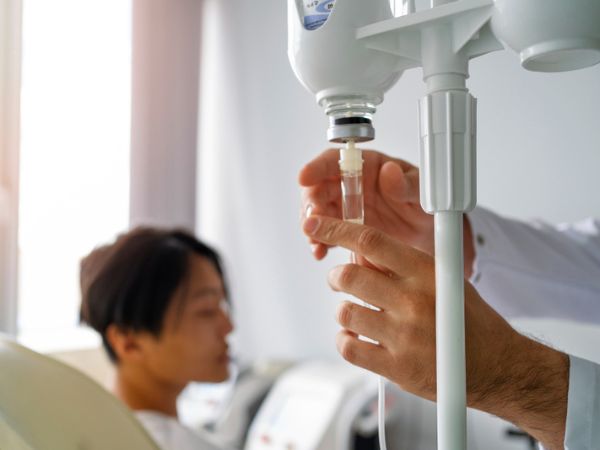
Syringes are necessary for the administration of intravenous medications
Syringes at Health Supply 770: Features and Specifications
Syringes are necessary medical supplies employed for the administration of vaccines and certain medications. These are required in every healthcare facility to manage the high influx of patients who cannot take medications via the oral route. This particularly includes critically ill or pediatric patients.
When it comes to learning about syringe shortages, it is also essential to look into some of the syringes that many brands manufacture. Some of these well-known brands are also available at Health Supply 770 and have been detailed below, along with their features and purchase links:
Sol-Millennium P180005NSB Sol-M 5ml Sterile Luer Lock Syringe w/o Needle (bulk, non-sterile) (1600/CS)
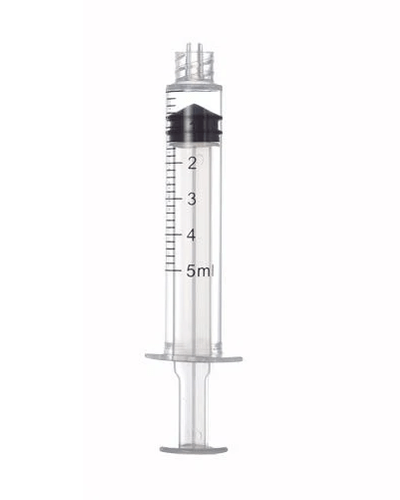
Sol-Millennium 5ml Luer Lock Syringe w o Needle (bulk, non-sterile)
US$261.70
Product Details
Sol-Millennium P180005NSB Sol-M 5 ml syringes have luer lock mechanism. Being constructed using medical-grade polypropylene, the product does not contain any kind of toxic or allergy-causing material, including DEHP, rubber latex, etc. Their anti-leakage design adds to the product’s reliability.
Moreover, these Sol-Millennium P180005NSB Sol-M 5 ml syringes are transparent in appearance. This way, the healthcare staff gets the advantage of visualizing the syringe contents before administration. As a result, the risk of administration of any contaminant is effectively avoided. Furthermore, air bubbles can also be located and removed, which increases patient safety during the process.
Additionally, a silicone-based lubricant has also been incorporated into the design that smoothens the movement of the plunger into the barrel. This leads to better syringe control and easy usage. As these Sol-Millennium P180005NSB Sol-M 5 ml syringes are supplied without needles, there is a need to attach one before their use. As for their usage, these products can be employed within hospitals, clinics, pharmacies, as well as in veterinary care centers.
Sol-Millennium P180030NSB Sol-M 30ml Luer Lock Syringe w/o Needle (bulk, non-sterile) (300/CS)
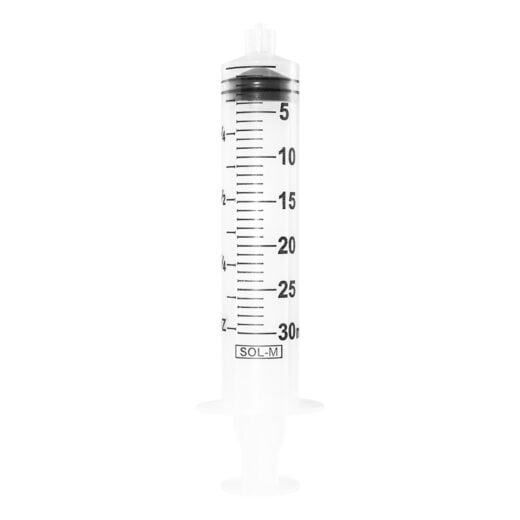
Sol-Millennium 30ml Luer Lock Syringe w o Needle (bulk, non-sterile)
US$183.87
Product Details
Sol-Millennium P180030NSB Sol-M 30 ml luer lock syringes are one of the best products in their domain. These are non-sterile products that can be sterilized if necessary. Before usage, a needle needs to be screwed with the luer tip to achieve a firm and stable assembly.
When it comes to their construction, these Sol-Millennium P180030NSB Sol-M 30 ml luer lock syringes are plastic-based and free from toxic chemical agents, including DEHP, as well as allergens like rubber latex. In addition, the product becomes easy to handle due to the rubber-based gasket. Furthermore, these Sol-Millennium P180030NSB Sol-M 30 ml luer lock syringes are transparent and clear in appearance. These are extensively employed for the administration of antibiotics, vaccines, etc.
Sol-Millennium 161000LL Sol-M 1ml Insulin Syringe Luer Lock w/o needle (low dead space tip, orange plunger) (800/CS)
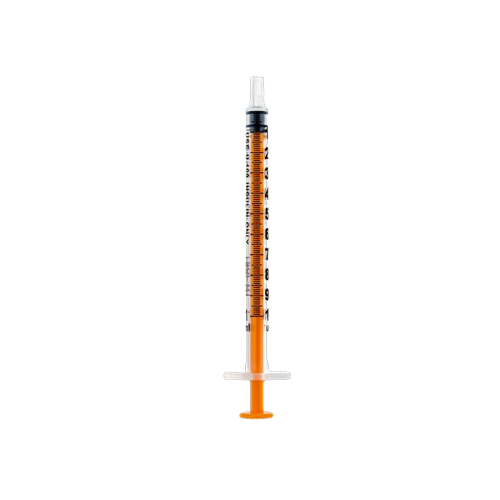
Sol-Millennium 161000LL Sol-M 1ml Insulin Syringe Luer Lock w/o needle (low dead space tip, orange plunger) (800/CS)
US$322.56
Product Details
Sol-Millennium 161000LL Sol-M 1 ml insulin syringes are specially designed to administer the required units of insulin. These are luer lock syringes that are small in diameter and easy to use. The product comes with prominent markings on the barrel that indicate accurate measurement of the insulin units with minimal risk of errors.
Moreover, these products are easy to identify among other syringes owing to their orange-colored plungers. As for their construction, DEHP- and PVC-free plastic is employed. In addition, natural rubber latex is also absent, which is often associated with skin irritation.
Furthermore, these Sol-Millennium 161000LL Sol-M 1 ml luer lock insulin syringes are CE-marked, that reflects their quality and reliability. Once the syringe has been injected into the liquid medication-containing vial, the material gets filled into the syringe via capillary action. Then, the leakage-proof design of the product holds the medication safely until it is administered.
Sol-Millennium 1851815B Sol-M 5mL Luer Lock Syringe with Blunt Fill Needle 18 Gauge 1-1/2 Inch (800/CS)

US$208.87
Product Details
Sol-Millennium 1851815B Sol-M 5 mL luer lock syringes come with 18 gauge needles having a length of 11/2 inches. These needles are also extremely fine yet strong enough to tolerate the pressure during skin penetration. The products are constructed using polypropylene, a strong and reliable material that gives the syringes their transparent appearance.
In addition, the plungers are coated with silicone and, therefore, are smooth when moved within the barrel. Being disposable items, these Sol-Millennium 1851815B Sol-M 5 mL luer lock syringes should be used only once, followed by proper discarding.
*Note: The prices of these items mentioned in the article are taken from the Health Supply 770 website. These may vary over time.
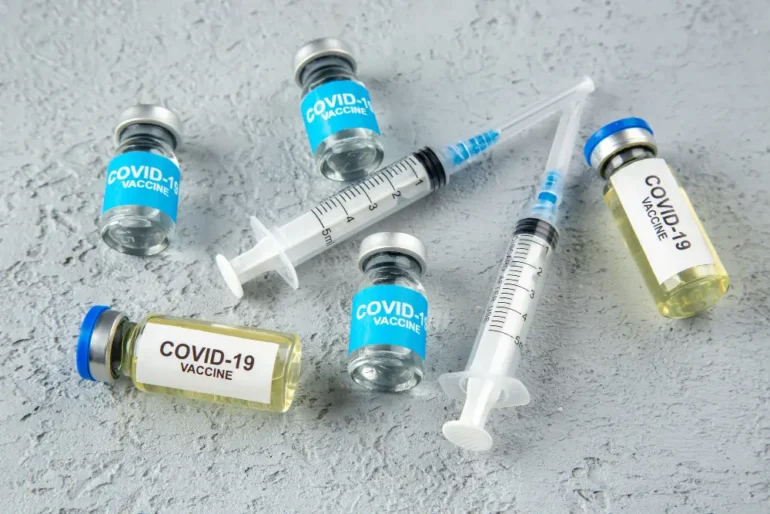
The COVID-19 pandemic surged the need of syringes due to massive vaccine administration requirements
The products linked in the article, while learning about syringe shortages, along with many other medical supplies, can be purchased from Health Supply 770, a reliable name when it comes to medical products. They have a 30-day money-back guarantee and provide your products to you in the shortest possible time. Click the link at the end of the article to check the wide range of intravenous products.
Conclusion
Syringes are among the essential medical supplies in healthcare facilities. They are needed for the administration of medications and vaccines, as well as drawing blood samples. As these routes allow quick and precise dosing as compared to the conventional oral route, healthcare providers prefer them especially for patients in critical care.
However, when it comes to syringe shortages, such patients are affected the most. Either due to production delays or supply chain disruptions, these shortages have become frequent in the US over the past few years. As a management strategy, it is best for healthcare facilities to manage their inventory, engage multiple suppliers, as well as look for alternatives.
Similarly, at the individual level, stockpiling should be avoided along with special focus to proper storage of the existing supplies. This way, the risk of damage or contamination to the syringes can be avoided in times when syringe shortages are frequent.
Considering their importance, syringes must be stocked up in bulk within every healthcare facility to meet the daily needs. For purchasing different kinds of syringes, reliable vendors like Health Supply 770 should be approached. They ensure the provision of quality products along with satisfactory services.